POS System for Liquor Store: Our Dining Facility Sales Software Application Simplifies Order Processing And Payment Management Effectively
System Elements and Features
What really makes a Restaurant Point Of Sales System tick? It's POS System for Retail Store not just an elegant sales register; it's a symphony of interconnected parts working harmoniously. Think of a hectic Friday night: orders flying in, kitchens buzzing, servers managing trays. In the middle of this chaos, the POS system silently manages the flow, making sure precision, speed, and performance.
Core Components of a Dining Establishment POS System
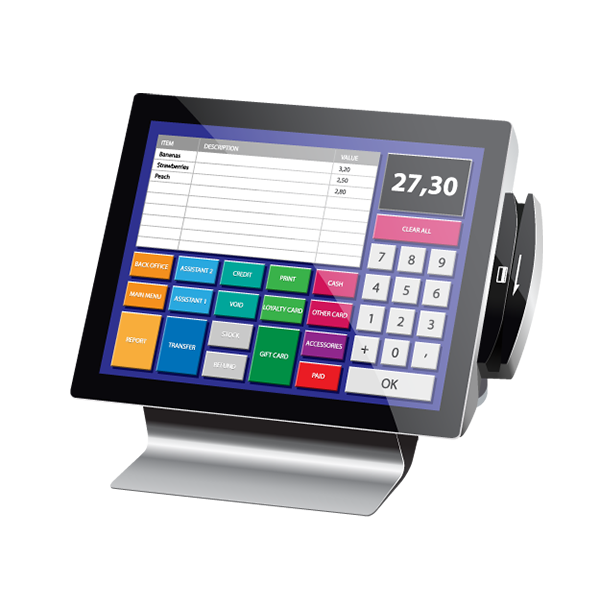
- Touchscreen Interface: The nerve center of every transaction. It's created for speed and simpleness, typically resembling an intuitive tablet that even a first-timer can browse.
- Order Management Software Application: This part deals with the basics of order processing-- from taking customized client requests to routing orders directly to the kitchen display screen.
- Receipt Printer: It's the unsung hero printing out costs and kitchen orders with lightning speed.
- Cash Drawer: Though less attractive, it's necessary for safe cash handling.
- Payment Processing Terminal: Allows quick swipes, taps, or inserts for credit and debit cards, leaving no room for traffic jams.
Features That Transform Regular into Remarkable
Have you ever observed how a well-oiled POS system can seem like an ace in the hole? Beyond handling payments, these systems pack a punch with functions that redefine dining establishment management.
- Real-Time Stock Tracking: Keeping tabs on active ingredients can be a nightmare without this feature. It updates stock levels immediately, avoiding those dreaded "out of stock" minutes.
- Personalized Menu Management: Modification prices, add specials, or toggle schedule with a few taps-- best for the impulsive chef or seasonal offerings.
- Staff Member Management: Clock-ins, shift scheduling, and efficiency metrics-- all accessible through the very same gadget that processes your orders.
- Analytics and Reporting: Ever questioned which dish flies off the racks and which remains? Comprehensive reports supply insights, empowering smarter choices.
- Customer Relationship Management (CRM): Commitment programs and customized promos keep clients returning like old friends.
Why Do These Features Matter?
Consider the last time you waited forever for your order or got the wrong dish. A Dining Establishment POS System with exact order tracking and integrated communication in between front and back of house can remove those aggravations. It's like having an undetectable conductor ensuring every element performs in ideal harmony.
| Part | Function | Effect |
|---|---|---|
| Touchscreen Interface | Order entry and navigation | Accelerate service, reduces mistakes |
| Stock Tracking | Monitors stock levels in real-time | Avoids shortages, reduces waste |
| Payment Terminal | Deals with various payment methods | Enhances transaction speed, client fulfillment |
| Employee Management | Simplifies scheduling and payroll | Enhances personnel performance and morale |
Streamlining Order Management in a Restaurant POS System
Picture a busy Friday night where the kitchen is a whirlwind of sizzling pans and yelled orders. Without a robust order management system incorporated into your dining establishment POS, chaos quickly occurs. The speed at which orders are taken, processed, and communicated to the kitchen area can make or break the whole dining experience.
Why Accuracy in Order Processing Matters
One missed modifier or postponed ticket can ripple through the service, turning what must be an easy transaction into a twisted mess. Have you ever wondered how some restaurants appear to orchestrate a perfect dance in between the front and back of home?
It's no mishap. The secret lies within a POS that not only catches orders but wisely routes them. Modern systems parse each product-- whether it's a gluten-free demand or a last-minute replacement-- ensuring every subtlety is preserved.
Advanced Tips for Learning Order Flow
- Real-time syncing: Every upgrade from the server's handheld device instantly reviews kitchen display screens, eliminating double entries and miscommunication.
- Customizable routing: Direct orders to particular prep stations based upon menu areas or preparation time, lowering wait times.
- Order prioritization: Flag high-priority orders, such as allergies or VIP requests, so they leapfrog the basic line.
- Split and merge abilities: Flawlessly deal with group dining situations where orders need to be divided across multiple costs without confusion.
Table: Common Order Management Features and Their Effect
| Feature | Advantage | Effect on Service |
|---|---|---|
| Automated Order Tickets | Lowers manual errors | Faster kitchen area reaction times |
| Modifier Tracking | Makes sure precision for unique requests | Enhances customer complete satisfaction |
| Order Status Updates | Communicates progress to servers | Much better table management and fewer grievances |
Expert Insight: Preventing Typical Mistakes
Numerous restaurateurs get tripped up by the impression that order management is just about taking orders quicker. It's not. The real art depends on processing those orders with surgical accuracy. Making sure the system can manage peak volumes without lag is essential. On one event, a high-volume weekend exposed a POS system's slow response, causing delays that cascaded into unhappy diners and stressed staff.
To dodge this, purchase a POS that stabilizes speed with dependability, and never underestimate the value of instinctive user interfaces that minimize training time and human mistake. The objective is a seamless circulation where innovation enhances the human touch, not complicates it.
Payment Integration: The Heart Beat of Seamless Transactions
Think of a dynamic dining establishment on a Friday night. Orders flood in, and the last thing you desire is the payment system to hiccup. Integrating multiple payment approaches-- credit cards, mobile wallets, and even emerging copyright choices-- directly into your dining establishment point of sales system isn't simply a luxury; it's a necessity. How do you make sure that the system stays fluid, lightning-fast, and error-free when managing so lots of payment entrances?
One expert idea: prioritize API compatibility. The smoother your POS syncs with payment processors, the less likely you are to experience lag or transaction failures that frustrate both staff and restaurants. Consider tokenization to mask card information instantly-- it's like providing your customers' payment details a cloak of invisibility throughout transmission.
Security: More Than Simply a Lock on the Door
Security in payment processing belongs to the unseen but important kitchen brigade that keeps whatever running without a drawback. It's insufficient to merely encrypt information; modern POS systems must comply with PCI DSS requirements to really safeguard delicate info. Have you ever considered why dining establishments that stint this end typically face significant fines and track record hits?
File encryption ensures that even if hackers obstruct the information, they just get mumbo jumbo. Layering multi-factor authentication (MFA) into the payment circulation includes an additional fortress. Think about MFA as a bouncer who asks for more than simply an ID at the door.
Specialist Tips for Bulletproof Payment Security
- Make use of end-to-end file encryption from the moment the card is swiped or tapped up until the transaction completes.
- Routinely update software application-- vulnerabilities typically slip in through outdated systems.
- Segment your network so that payment data travels separated from other less safe and secure parts of your POS.
- Conduct penetration testing to mimic cyber-attacks and determine weak spots before the bad guys do.
- Train staff on social engineering dangers; the most secure system can be compromised by human error.
Table: Payment Integration Features vs Security Procedures
| Function | Benefit | Security Factor to consider |
|---|---|---|
| Contactless Payments | Speeds up checkout, decreases physical contact | Needs NFC encryption and scams detection algorithms |
| Mobile Wallets | Boosts client benefit and loyalty | Need to comply with tokenization and safe API calls |
| Integrated Gift Cards | Increases repeat company and marketing | Requirements secure balance tracking and fraud avoidance |
| Online Purchasing Payments | Expands income streams beyond the restaurant | Demands SSL file encryption and safe and secure payment gateways |
In the end, weding payment combination with robust security protocols is not a one-time event however an evolving dance. The moment you believe you're secure, new vulnerabilities may develop. Staying watchful means safeguarding your customers' trust and your dining establishment's hard-earned track record.
Stock and Personnel Management
Ever found yourself gazing at a spreadsheet, questioning why the stock numbers don't build up right before the dinner rush? That moment when the kitchen runs short on essential ingredients is more than just a misstep-- it's a ripple that can unsettle the whole service circulation. Dining Establishment Point Of Sales System enhances this turmoil by syncing real-time sales data with stock counts. This means you will not just think how much chicken breast you have actually left; you'll know precisely the number of portions are offered to satisfy tonight's orders.
Managing staff scheduling typically feels like juggling knives-- a lot of variables and just a thin margin for mistake. What if your POS system could anticipate peak hours and suggest optimized shift patterns? This isn't science fiction. Advanced algorithms examine historical sales information, seasonal trends, and even regional events, providing a crystal ball for labor preparation. Picture minimizing both overstaffing during slow hours and frantic rushing when the dining establishment floods with visitors.
Specialist Tips for Ideal Inventory and Staffing
- Use automated signals for low stock to avoid last-minute component shortages.
- Leverage sales velocity reports to determine fast-moving items and adjust orders accordingly.
- Incorporate staff clock-in/out information with payroll to minimize disparities and simplify wage estimations.
- Schedule breaks tactically based on anticipated client flow to keep smooth service.
- Execute role-based consents in your POS to track who manages what stock tasks.
Translating the "Invisible" Labor Costs
Personnel management isn't just about who's on the flooring; it has to do with comprehending the hidden costs of inefficient shifts. A server overwhelmed by too many tables can slow down order entry, increasing wait times and reducing pointers. Vacant staff during quiet durations drain your spending plan without producing earnings. A sophisticated POS system highlights these ineffectiveness through detailed labor reports, shining a light on when and where modifications are required.
| Metric | Insight | Action |
|---|---|---|
| Inventory Turnover Rate | How rapidly ingredients are used | Change order frequency to minimize waste |
| Labor Expense Portion | Labor expense relative to sales | Enhance personnel schedules to enhance margins |
| Order Precision Rate | Number of proper vs incorrect orders | Supply targeted training or customize workflows |
Have you considered how incorporating stock with staff management could transform your day-to-day operations? When these two pillars operate in consistency, the result is a well-oiled machine delivering consistent quality and service. The secret lies not simply in tracking numbers however in analyzing them to make smarter, faster choices.
Comments on “Customizable POS System: Top Functions to Look for in a Sales System”